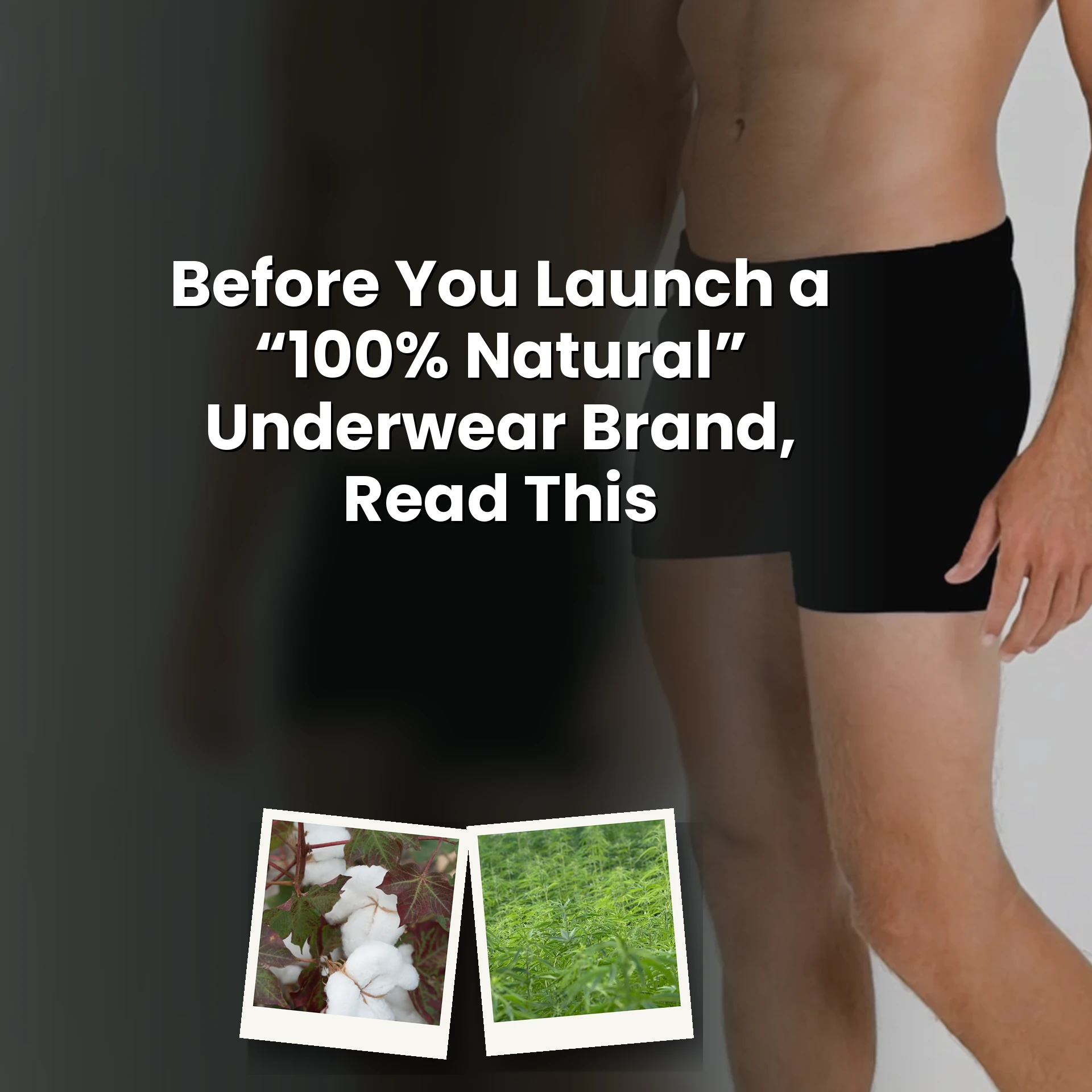
A natural underwear brand usually starts from the same honest idea: 100% organic cotton, natural trims, no plastic anywhere in the garment. The idea is right. Turning it into a product that is both wearable and truthfully labelled is harder than it looks. From the manufacturing side, these are the three things that decide whether a “natural” brand holds up once the garment is in someone’s hands.
1. “Organic” is a chain, not only a fabric
Organic cotton only stays organic if every step is certified: the farm, the ginner, the spinner, the knitter, the dyehouse and the sewing factory. One uncertified link and the finished garment cannot carry the GOTS label, however pure the fibre was at the start. When you choose a manufacturer, ask for the transaction certificates, not just the logo on the website. At Egedeniz the whole chain sits under GOTS and is audited every year by ICEA.
2. What GOTS covers, and what it leaves to you
GOTS guarantees organically grown cotton, non-toxic dyes and chemicals, and social criteria in the factories. It allows a small share of synthetic accessories such as elastics, threads and labels, because some functions still have no reliable natural alternative. So GOTS sets the floor for the organic part of your garment; how far you go beyond it with trims is your own design decision, and your label should describe exactly that.
3. Pure cotton has a trade-off
A 100% organic cotton brief is plastic-free on the label, but cotton recovers slowly and the fit loosens over months. A few percent of elastane keeps the garment supportive for its whole life and is still GOTS-labelable as an organic blend. Decide which matters more to your customer, and say it plainly.
Start with a truthful spec sheet
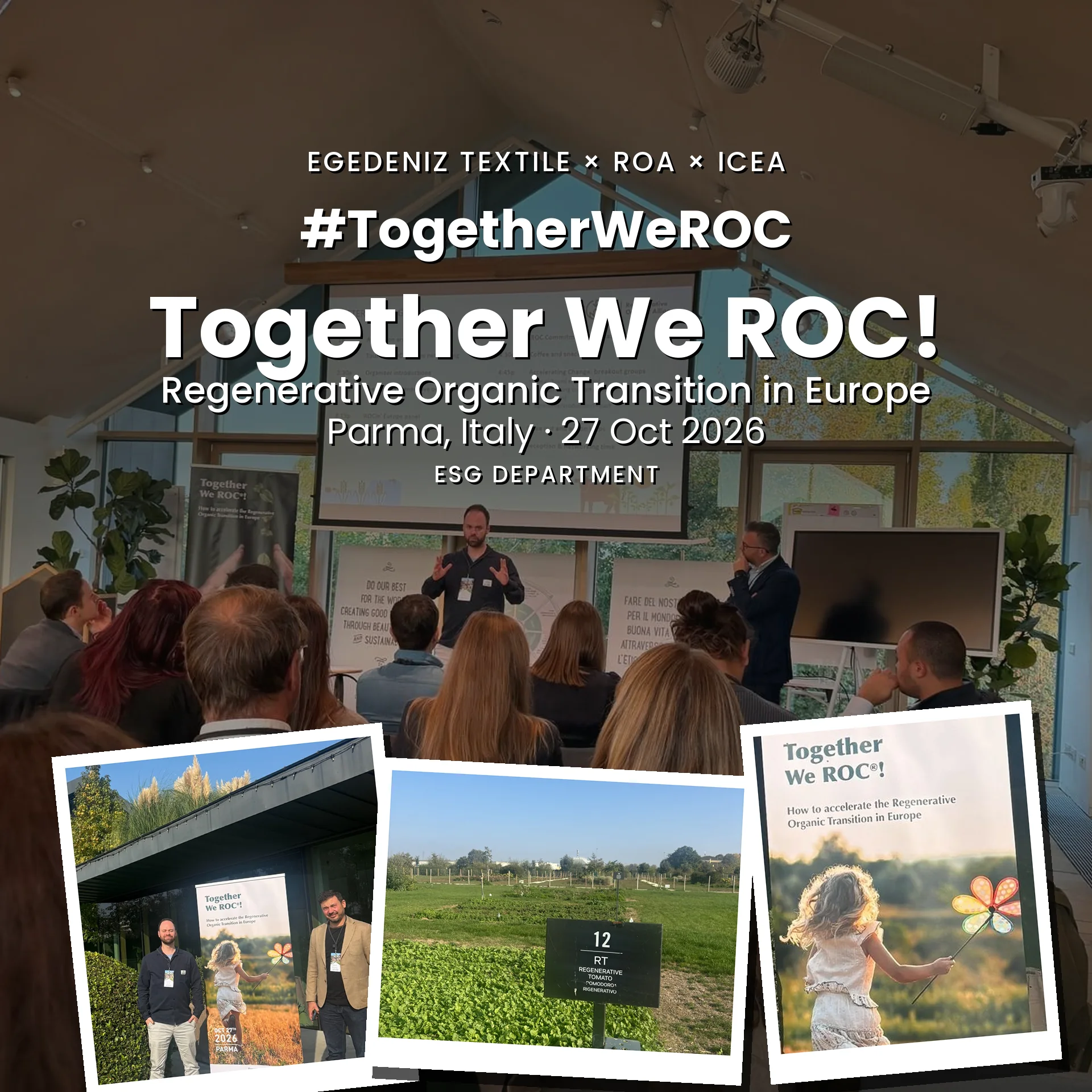
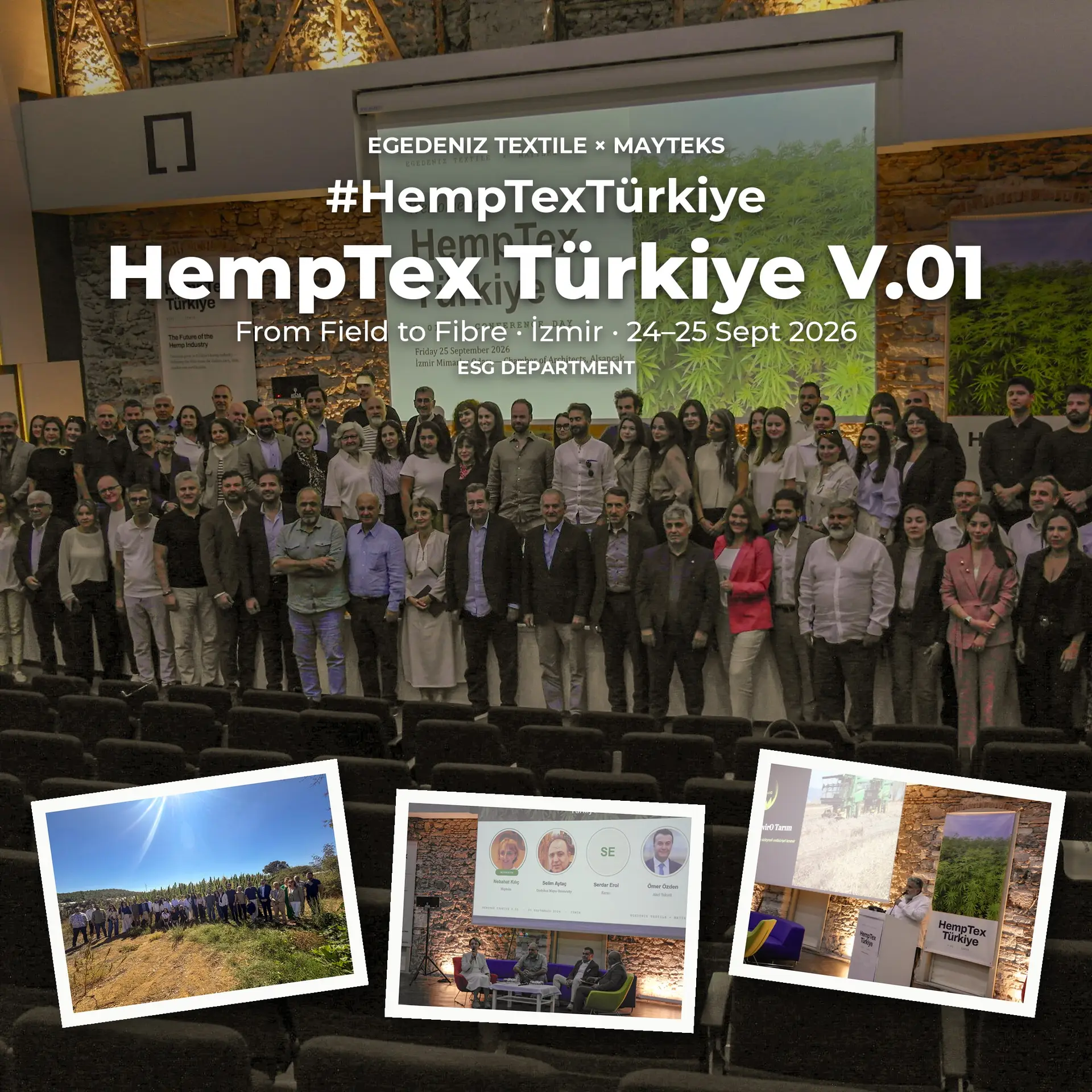
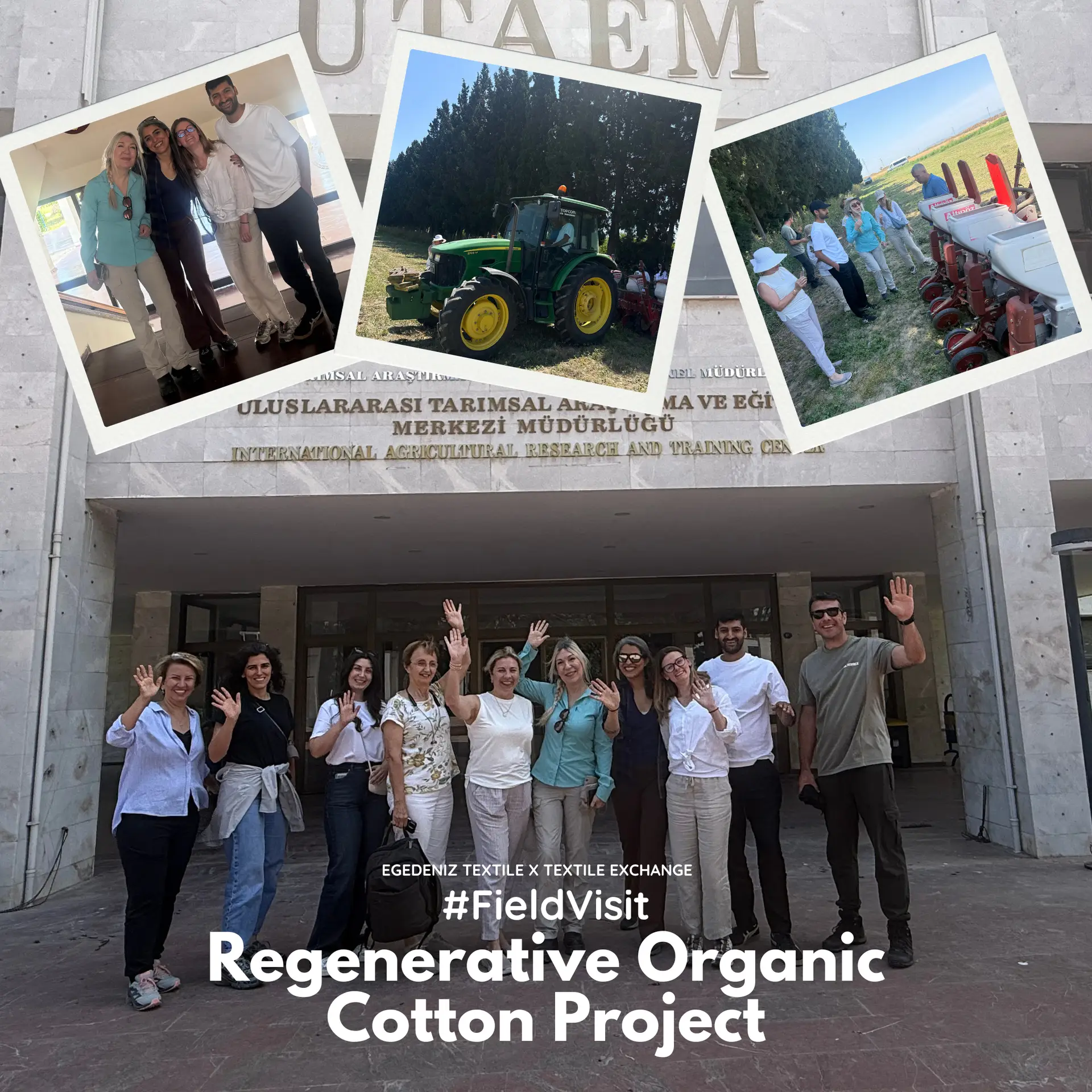
None of this argues against natural materials. Egedeniz has worked with organic cotton for four generations and now grows it regeneratively with farmers in Türkiye; alongside it we are developing hemp and hemp-organic cotton knits, another sustainable fibre worth considering for underwear. Whatever the fibre, we believe it deserves a label that is as honest as the field it came from.
If you are building a natural underwear brand, start the conversation with your manufacturer from the spec sheet, not the slogan. Ask what is possible today, what is not yet, and how each choice will be stated on the label. That is where a sustainable brand actually begins.